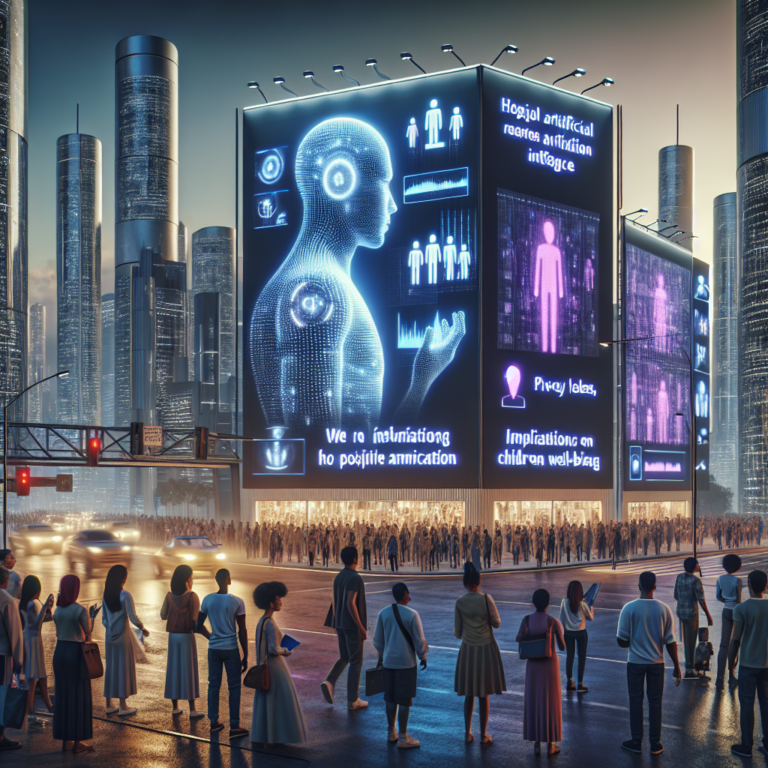
AI Disinformation by Foreign Adversaries: A Menacing Reality in Global Digital Communication
Introduction: The New Age of Disinformation
In today’s interconnected world, the spread of disinformation has become increasingly sophisticated and insidious. Artificial intelligence (AI) is now at the forefront of these efforts, enabling foreign adversaries to target and influence global audiences with unprecedented precision and scale. This blog post will explore the burgeoning role of AI in disseminating false information, the tactics employed by foreign entities, and the ominous implications for global digital communication.
The Mechanics of AI-Powered Disinformation
Artificial intelligence has tremendously magnified the ability of bad actors to spread false information. Here’s how:
- Automated Content Creation: AI can generate convincing fake news articles, social media posts, and even deepfake videos to deceive audiences.
- Enhanced Targeting: Machine learning algorithms can analyze vast amounts of data to identify and target specific demographics with personalized disinformation.
- Amplification: Bots and AI-driven accounts can rapidly disseminate false information across multiple platforms, making it seem more credible due to volume and reach.
Automation in Content Creation
AI’s ability to mimic human writing and generate realistic content is a game-changer for disinformation campaigns. Natural Language Processing (NLP) models, like GPT-3, can craft compelling narratives that appear legitimate. This automated content creation approach makes it difficult for users to distinguish between genuine and fake information.
Enhanced Targeting for Maximum Impact
Foreign adversaries leverage AI’s data analysis capabilities to craft targeted disinformation campaigns. By analyzing social media behavior, search history, and demographic data, they can create personalized content that resonates with specific groups. This tailored approach increases the likelihood of users engaging with and believing in false narratives.
The Menace of Amplification
With the aid of AI, fake accounts and bots can flood social media with disinformation, giving it an appearance of credibility through sheer volume. This technique not only amplifies the reach of false information but also manipulates trending topics and search algorithms, ensuring that disinformation gains maximum visibility.
Case Studies: Disinformation Campaigns in Action
Several high-profile disinformation campaigns have seen foreign adversaries leveraging AI to meddle in global affairs:
- 2016 U.S. Presidential Election: Russian operatives used AI-driven bots and troll farms to spread false information and polarizing content, aiming to influence voter behavior.
- COVID-19 Pandemic: Various state actors disseminated conspiracy theories and false health information to exacerbate confusion and undermine public trust in authorities.
- Brexit Referendum: AI was employed to create and circulate misleading information, swaying public opinion on both sides of the debate.
Tools and Techniques: How AI is Employed in Disinformation
AI-driven disinformation campaigns utilize an array of tools and techniques such as:
- Deepfakes: AI-generated videos that make it look like a person said or did something they never did.
- Social Media Bots: Automated accounts that spread disinformation and engage with users to create false legitimacy.
- Sentiment Analysis: AI tools that analyze public sentiment to craft more effective disinformation content.
The Global Response: Fighting Back Against AI-Driven Disinformation
The fight against AI-driven disinformation requires a multi-faceted approach involving:
- Regulatory Measures: Governments need to establish clear policies to combat the spread of fake news and hold perpetrators accountable.
- Technological Solutions: Developing AI countermeasures to identify and stop disinformation before it spreads.
- Public Awareness: Educating the public about the dangers of disinformation and how to recognize it.
- International Cooperation: Collaborating with other nations to share data and strategies to combat global disinformation campaigns.
Conclusion: Navigating the Digital Age of Disinformation
The rise of AI-driven disinformation presents a grave threat to global digital communication, democratic institutions, and public trust. As foreign adversaries continue to refine their techniques, it is imperative for governments, tech companies, and individuals to remain vigilant and proactive in combating this menace. By understanding the mechanics, tools, and targets of AI-powered disinformation, we can better prepare and protect ourselves from its far-reaching effects.
About the Author