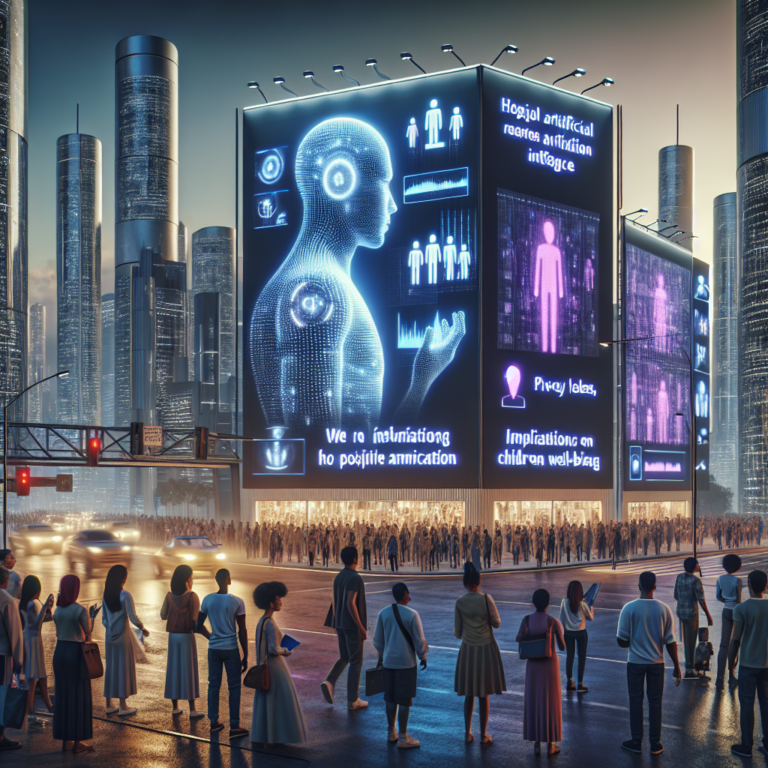
Create an image depicting a digital landscape where artificial intelligence is central. There is a prominent, futuristic AI robot in the middle, surrounded by a chaotic mix of floating digital misinformation symbols (like fake news icons, social media logos, false headlines). In the background, there are subtle representations of a disconnected, unresponsive federal government with a Capitol building in the distance and inactive computer screens. The overall tone should be one of concern, highlighting the impact of AI on election misinformation.
Artificial Intelligence (AI) has become an integral part of our digital landscape, influencing various facets of our daily lives—from recommending what we watch on streaming platforms to assisting in complex data analysis. However, its increasing integration into our information ecosystems raises a significant issue: **election misinformation**.
The Rise of AI-Generated Misinformation
The Power of Deepfakes and Synthetic Media
One of the most concerning advancements in AI technology is its ability to create hyper-realistic media content, commonly known as deepfakes. These AI-generated videos and audio clips have the potential to convincingly present false information, misleading the public.
Deepfake technologies can:
–
–
–
Amplification of Fake News
AI-driven algorithms on social media platforms are designed to maximize engagement. Unfortunately, they often prioritize sensational or divisive content, much of which can be **misleading or entirely false**. These algorithms can:
–
–
Recent studies have shown that **once misinformation goes viral, it is exceedingly difficult to correct**, further demonstrating the potential havoc AI can wreak on public opinion, especially during elections.
The Federal Government’s Lackluster Response
Limited Regulatory Measures
Despite the clear and present danger posed by AI in spreading election misinformation, there has been remarkably **”little federal government response**. The current regulatory framework is insufficient to address the novel challenges posed by AI technologies. Several hurdles contribute to this scenario:
–
–
–
An Inactive Cybersecurity Strategy
While the federal government has made some strides in improving cybersecurity infrastructure, the approach remains reactive rather than proactive. Attention to combating AI-generated misinformation, specifically, has been largely insufficient, leaving the nation’s electoral integrity exposed.
The Consequences of Inaction
Undermining Voter Confidence
If misinformation continues to spread unchecked, the ultimate casualty will be **public trust**.
–
–
A disillusioned electorate does not bode well for democracy, where the cornerstone is **informed participation**.
Influence of Foreign Actors
In recent years, foreign entities have leveraged **AI-driven misinformation campaigns** to influence U.S. elections, further complicating the battle against false information. Without a robust response, these campaigns could grow more sophisticated and damaging over time.
What Needs to be Done
1.
Enhanced Regulation and Legislation
Stricter Guidelines for AI Use
The government must implement **comprehensive guidelines and regulations** for AI usage in generating and disseminating information. This includes:
– Reforming Section 230: Updating this critical piece of legislation to hold platforms accountable for AI-generated misinformation.
– Transparency in Algorithms: Platforms should be required to disclose how their algorithms prioritize content.
2.
Investment in Public Awareness and Education
Informed Citizenry
Educational campaigns focusing on **digital literacy** can equip citizens with the skills to discern misinformation, such as:
–
–
Conclusion
In our rapidly evolving digital landscape, AI stands at the center, offering both tremendous potential and significant risks. While it enhances many aspects of our digital experiences, its capacity to **engineer misinformation** poses a grave threat to democratic integrity. The federal government’s current response remains largely **insufficient**. Thus, a concerted effort involving stricter regulations, enhanced public awareness, and proactive cybersecurity strategies is imperative to safeguard our elections from the perils of AI-generated falsehoods.
This image of a digital landscape dominated by a futuristic AI robot, swarmed by misinformation symbols, and overlooked by an unresponsive government only underscores the complexity and urgency of the challenge at hand.
About the Author