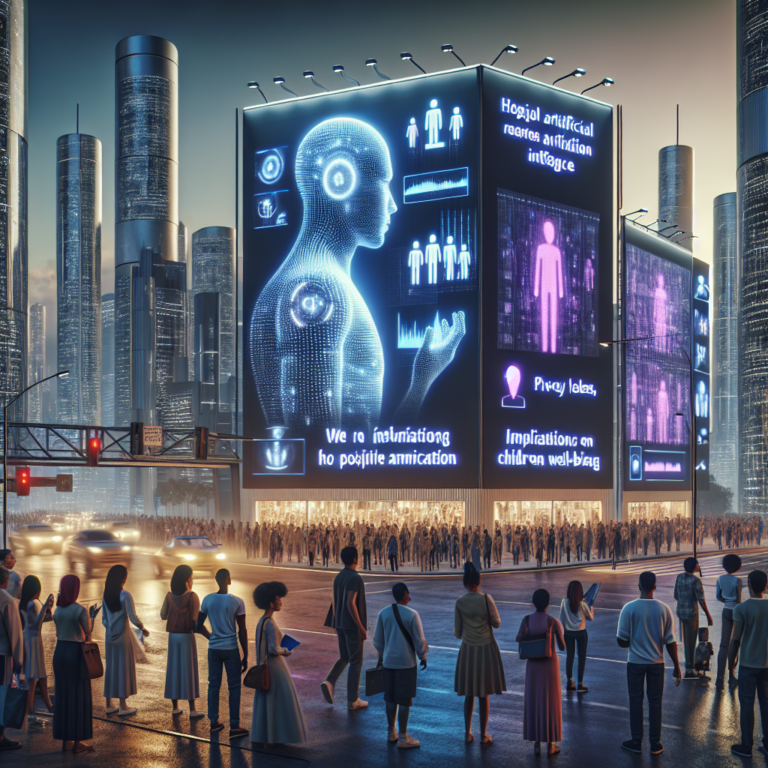
Create an image depicting a digital landscape with symbols of Russia, Iran, and China subtly integrated into the background. In the foreground, depict AI-driven bots working on computers, spreading misinformation. Include a globe or a world map highlighting the United States, symbolizing its electoral process under digital attack. Use a dark, ominous color palette to convey the seriousness of election interference.
In an era where technology and geopolitics intertwine intricately, the integrity of electoral processes is increasingly under threat. **Artificial Intelligence (AI)**, a technological marvel of the 21st century, is now being weaponized by nation-states to meddle in foreign elections. According to recent reports, countries like **Russia, Iran, and China** are upping the ante in their digital campaigns to interfere with the electoral process of the United States. This article delves into how these nations are leveraging AI to spread misinformation and influence voter behavior while examining the implications for global democracy.
The Digital Tactics of Election Interference
The traditional methods of election interference have evolved over the years. With advancements in **AI** and **machine learning**, digital tactics now encompass a range of sophisticated techniques designed to manipulate public opinion and disrupt democratic processes. Below are the primary strategies used by Russia, Iran, and China:
- **Bots and Fake Accounts**: Automated bots and fake social media profiles are created to disseminate false information and create a semblance of popular support for specific agendas.
- **Deepfakes and AI-Generated Content**: AI-enabled tools can create realistic but fabricated videos, images, and articles that can confuse voters and spread false narratives.
- **Algorithm Manipulation**: Manipulating social media algorithms to amplify misleading content, ensuring it reaches a massive audience with rapid speed.
How AI-Driven Bots Work
**AI-driven bots** are at the forefront of election interference tactics. These bots can perform a myriad of tasks aimed at influencing public opinion:
- **Spreading Misinformation**: Bots can publish thousands of misleading articles or social media posts, creating a cloud of confusion around key electoral issues.
- **Engaging with Real Users**: These bots can interact with human users, giving the appearance that there is genuine support for certain ideas or candidates.
- **Data Mining**: AI can analyze vast amounts of data to identify trends and sentiments, allowing these bots to target specific voter demographics with tailored misinformation.
The Symbols of Digital Interference
In creating an image that represents this intricate digital landscape, it is crucial to incorporate symbolic elements that represent the key players and their roles. A powerful visual representation should include:
- **Symbols of Russia, Iran, and China**: Subtly integrated into the background to represent the nations responsible for electoral interference.
- **AI-Driven Bots**: Depicted in the foreground, working tirelessly on computers to spread misinformation and manipulate public opinion.
- **A Globe or World Map**: Highlighting the United States to symbolize its electoral process which is under attack from foreign influences.
- **Dark, Ominous Color Palette**: To convey the gravity and seriousness of election interference.
Understanding the Impact
The ramifications of AI-driven election interference are profound and far-reaching:
- **Erosion of Public Trust**: Widespread misinformation can lead to a general distrust in the electoral process and democratic institutions.
- **Polarization of Society**: Manipulative tactics can deepen divisions and polarize voters, making it difficult to achieve national unity.
- **Influence on Election Outcomes**: By shaping voter behavior, these interference efforts can directly impact the results of an election, potentially changing the course of history.
Preparing for the Future
Given the sobering reality of AI-driven election interference, it is crucial for democracies worldwide to take proactive measures to safeguard their electoral processes. To combat this intricate web of digital manipulation, several steps are essential:
- **Enhanced Cybersecurity**: Investing in robust cybersecurity frameworks to protect against digital intrusions.
- **Promoting Media Literacy**: Educating the public on how to identify misinformation and think critically about the content they encounter online.
- **International Cooperation**: Fostering collaboration between nations to address and mitigate the threat of foreign election interference.
Conclusion
As AI continues to evolve, so too do the tactics employed in election interference. The sophisticated use of **AI and machine learning** by countries like Russia, Iran, and China represents a significant threat to democratic processes worldwide. By understanding the intricate landscape of digital manipulation and taking proactive measures to counteract these tactics, democracies can better protect the integrity of their elections and ensure the continued health of their political systems.
About the Author