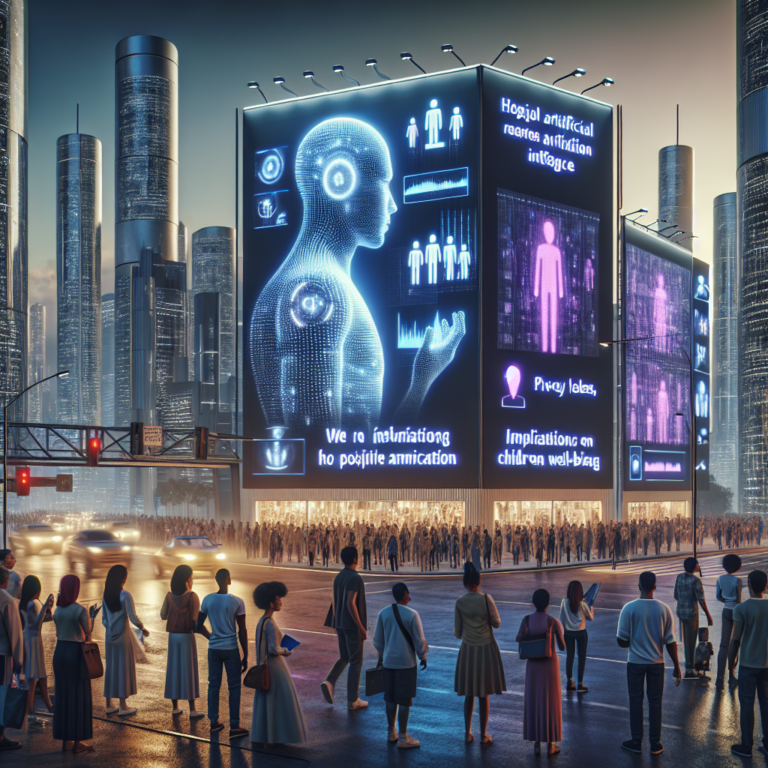
Prompt for DALL-E 3: Create an Image Depicting a Futuristic Election Scenario Influenced by Artificial Intelligence
Imagine an election set in the near future where cutting-edge AI technologies shape the landscape in remarkable ways. In this futuristic scenario, voters engage with advanced digital devices surrounded by AI elements, including holographic data displays, digital campaign ads, and robotic assistants. This visual representation offers a balanced view, highlighting both the positive potentials and the inherent risks.
The Influence of AI on Elections
Artificial intelligence (AI) is revolutionizing many facets of modern life, and elections are no exception. The integration of AI into electoral processes promises substantial benefits, from streamlined voting systems to personalized campaign messaging. However, it also brings considerable risks, such as surveillance concerns and algorithmic biases. Here, we delve into how AI influences elections and what we can do to navigate this complex terrain.
Positive Impacts of AI on Elections
AI has the potential to enhance electoral processes in several ways:
- Streamlined Voting Processes: AI can automate and expedite various aspects of election logistics, making voting more accessible and efficient.
- Intelligent Voter Assistance: AI-powered systems can provide real-time assistance and information to voters, ensuring they are well-informed about their choices.
- Personalized Campaigns: Candidates can use AI to tailor their campaign messages to resonate more effectively with different voter segments.
Risks of AI in Electoral Systems
Alongside the benefits, there are significant risks that need careful consideration:
- Surveillance Concerns: AI’s capability to track and analyze voter behavior raises privacy issues and potential misuse of personal data.
- Biased Algorithms: There is a danger that AI systems may perpetuate or even amplify existing biases, leading to unfair outcomes.
- Manipulation and Misinformation: AI can be used to spread misinformation or manipulate public opinion, potentially undermining the integrity of elections.
Creating a Balanced AI-Influenced Election Scenario
The key to leveraging AI in elections lies in a balanced approach that maximizes benefits while mitigating risks. Here’s how we can achieve that:
Ensuring Transparency and Accountability
- Open Algorithms: Encouraging transparency in AI algorithms can help identify and correct biases in decision-making processes.
- Audit Systems: Regular audits of AI systems used in elections can ensure they operate fairly and without undue influence.
Protecting Voter Privacy
- Data Anonymization: Implementing robust data anonymization techniques can protect voter identities while allowing for beneficial data analysis.
- Regulatory Frameworks: Developing stringent regulations to govern the use of AI in electoral contexts can safeguard voter privacy.
Combating Misinformation
- Fact-Checking Systems: Integrating AI-driven fact-checking mechanisms can help identify and counter false information in real-time.
- Educational Campaigns: Raising public awareness about the risks of misinformation and promoting media literacy can empower voters.
The Role of Diverse Voices in Shaping AI-Driven Elections
Incorporating diverse perspectives is crucial in developing AI systems that are fair and representative. Encouraging participation from a wide range of stakeholders can help identify potential issues early and ensure that AI applications in elections are equitable and just.
Collaborative Development
- Interdisciplinary Teams: Assembling teams with diverse expertise, including ethicists, technologists, and social scientists, can provide a well-rounded approach to AI development.
- Stakeholder Engagement: Regular consultations with voters, civil society organizations, and other stakeholders can inform the development of AI systems that reflect societal values and priorities.
Promoting Inclusive Practices
- Bias Mitigation Training: Offering training modules focused on understanding and mitigating biases can build more inclusive AI systems.
- Inclusive Data Collection: Ensuring data used to train AI models is representative of the entire electorate can help minimize biases.
Looking Ahead: The Future of AI-Driven Elections
As we move towards an increasingly digital world, the role of AI in elections will only grow in importance. By recognizing and addressing both the opportunities and challenges AI presents, we can pave the way for a future where electoral processes are more efficient, inclusive, and fair.
Innovations to Watch
Several promising innovations are on the horizon:
- Blockchain Technology: Combined with AI, blockchain can enhance the transparency and security of voting systems.
- Enhanced Cybersecurity: AI-driven cybersecurity solutions can protect electoral infrastructure from cyber threats.
- Advanced Voter Outreach: AI can enable more effective and targeted voter engagement strategies, improving voter turnout and participation.
Conclusion
Artificial intelligence has the potential to significantly influence elections, bringing both opportunities and challenges. By fostering a balanced approach that ensures transparency, protects privacy, and promotes inclusivity, we can harness the power of AI to create a more effective and equitable electoral process. The future of elections is not just about technology but about how we choose to implement and regulate it to serve the best interests of our society.
Imagine a future where you, the voter, can seamlessly interact with advanced digital devices, guided by AI, securely and confidently casting your vote. This vision is within reach if we take the necessary steps today.
About the Author