1124
# Joe Biden, Artificial Intelligence, and Nuclear Weapons: Navigating the Future of Global Security
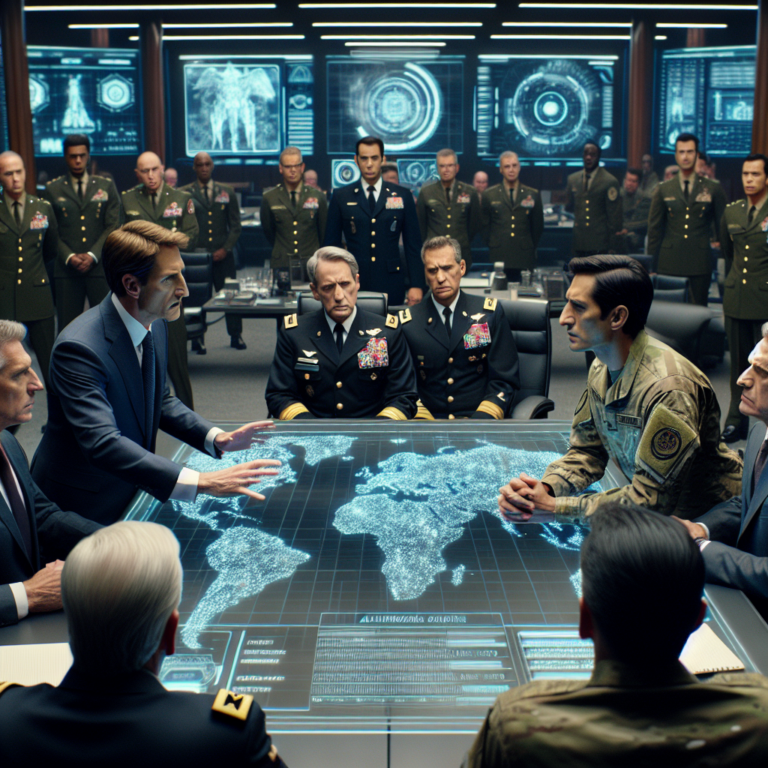
In a rapidly evolving world where technology and global affairs intersect, President Joe Biden is confronting one of the most complex challenges of our time: the integration of artificial intelligence (AI) with the management and control of nuclear weapons. As AI technology advances, the implications for international security and nuclear deterrence are profound, necessitating thoughtful policy considerations and strategic foresight.
## The Rising Influence of Artificial Intelligence
Artificial Intelligence has emerged as a transformative force, reshaping industries and altering the balance of global power. In the realm of national security, AI offers both unprecedented opportunities and significant risks.
### Advantages of AI in National Defense
1. **Enhanced Decision-Making Capabilities**: AI systems can process vast amounts of data more quickly and accurately than humans, providing military leaders with timely insights and improving strategic decisions.
2. **Increased Automation**: By automating routine tasks, AI allows for faster response times and reduces human error in critical operations, particularly in monitoring nuclear arsenals and managing military logistics.
3. **Improved Threat Detection**: Advanced AI algorithms excel at identifying patterns and anomalies, which can lead to improved surveillance and reconnaissance capabilities.
### Risks and Ethical Considerations
However, the application of AI in nuclear strategy also poses significant risks:
– **Autonomy Concerns**: There is apprehension about AI systems making life-and-death decisions autonomously, particularly in the realm of nuclear weapon deployment where mistakes could be catastrophic.
– **Vulnerability to Cyber Attacks**: AI systems could potentially be susceptible to hacking or manipulation, leading to unauthorized actions with severe consequences.
– **Escalation Risks**: The speed and autonomy of AI systems might lead to miscalculations or unintended escalations in tense geopolitical situations.
## Nuclear Weapons and AI: A New Era of Strategic Stability?
As nations invest in AI to modernize their military arsenals, the concept of nuclear deterrence is being redefined. President Biden’s administration faces the task of integrating AI with traditional concepts of nuclear strategy while maintaining global strategic stability.
### Modernizing the Nuclear Arsenal
The U.S. government is actively exploring how AI can be integrated into its nuclear command, control, and communications (NC3) systems, with several goals in mind:
– **Enhancing Reliability and Security**: AI can help ensure that the U.S. nuclear arsenal remains safe from both strategic and operational perspectives by enhancing system checks and monitoring.
– **Deterring Aggression**: An AI-enhanced military posture could serve as a greater deterrent by showcasing advanced capabilities to potential adversaries.
– **Reducing Human Error**: By supporting decision-makers with precise data and simulations, AI can minimize the risks of human error in nuclear operations.
### Strategic Stability and International Regulations
Integrating AI into nuclear strategy demands stringent international regulations and frameworks to prevent a potential arms race. President Biden has highlighted the necessity of collaborative global efforts to establish policies around:
– **Transparency and Confidence-Building Measures**: Ensuring nations share information about their AI capabilities and safeguards to prevent misunderstandings and miscalculations.
– **AI Arms Control Treaties**: Crafting treaties that specifically address the development and deployment of AI in military functions, particularly with nuclear implications.
– **Ethical Guidelines**: Establishing a global consensus on the ethical use of AI in warfare to prevent misuse and ensure compliance with international humanitarian law.
## The Role of the Biden Administration
President Biden’s administration is at the forefront of addressing these emerging challenges, emphasizing diplomatic engagement and multilateral cooperation.
### Key Initiatives
**International Dialogue**:
– Engaging with global leaders and institutions to promote transparent and responsible AI usage in nuclear security.
**Investment in Research and Development**:
– Supporting innovative AI research to ensure that the United States remains at the leading edge of safe and beneficial AI applications.
**Public-Private Partnerships**:
– Collaborating with leading tech firms and academic institutions to develop AI technologies that prioritize security and ethical standards.
## Conclusion
As President Joe Biden navigates the intersection of artificial intelligence and nuclear weapons, he faces the immense responsibility of shaping policies that will impact global security for decades to come. Balancing the promise and peril of AI in this context requires a nuanced approach that prioritizes transparency, strategic stability, and ethical considerations.
The task ahead is not just about deploying advanced technologies but ensuring they serve the collective good of humanity. By fostering international collaboration and investing in secure, ethical AI development, the Biden administration is working towards a future where AI enhances, rather than endangers, global peace.
About the Author