1058
“`html
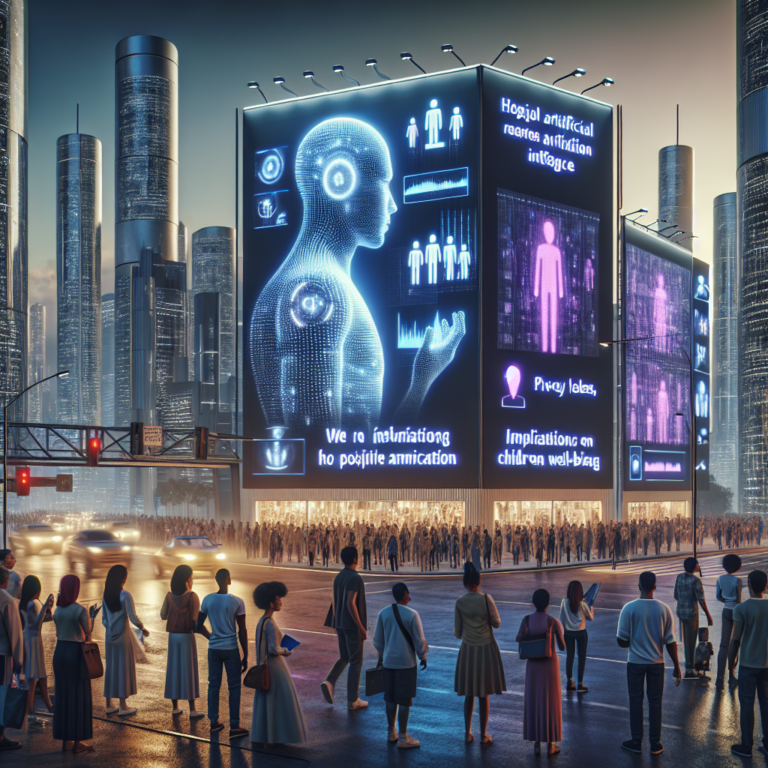
Sure! Based on the blog post’s topic about how AI can be used and misused in politics, here’s a DALL-E 3 image prompt for you:
Artificial Intelligence (AI) is now an integral part of our world, playing a significant role across various sectors, including politics. While AI offers promising advances in the political sphere, its misuse also poses serious risks. This duality is worth exploring, highlighting both the beneficial potential and the dangers AI holds in applicable political scenarios.
The Positive Impact of AI in Politics
Enhanced Decision-Making
AI has the power to transform political decision-making processes. By analyzing vast amounts of data quickly and efficiently, AI systems can provide politicians and policymakers with comprehensive insights. These insights can improve decision-making by offering evidence-based recommendations.
- Data-Driven Policies: AI enables the creation of policies based on solid data findings, helping politicians to devise strategies that are more likely to succeed.
- Trend Analysis: AI can analyze public sentiments, social media trends, and economic indicators, providing a clearer picture of the prevailing socio-economic landscape.
Enhanced Communication
AI-powered chatbots and virtual assistants can facilitate better communication between politicians and their constituents. These tools can help answer common queries, provide updates on political developments, and gather public opinion efficiently.
- Voter Engagement: AI allows politicians to engage with a broader audience by personalizing messages based on individual voter preferences.
- 24/7 Availability: AI systems ensure that information and assistance are available to the public at all times.
Transparency and Accountability
AI systems that are designed with transparency can help hold politicians and governments accountable. These systems can track political promises and actions, providing the public with clear information about whether politicians are fulfilling their commitments.
- Performance Tracking: AI can monitor and report on the progress of political projects and initiatives in real-time.
- Public Access: AI-powered platforms can give citizens access to government databases, increasing transparency and trust.
The Dark Side: Misuse of AI in Politics
Surveillance and Privacy Invasion
While AI can enhance transparency, it can also be used for surveillance, leading to privacy invasion. Governments may misuse AI technologies to monitor citizens, track their movements, and store personal data without consent.
- Mass Surveillance: AI-driven facial recognition systems can be used to monitor entire populations, potentially violating privacy rights.
- Data Exploitation: Personal data collected by AI systems can be exploited for political gains, including manipulating voter behaviors.
Spreading Misinformation
AI can be weaponized to spread misinformation and fake news, significantly impacting political landscapes. Deepfake technology and AI-generated content can create realistic yet false narratives that mislead the public.
- Deepfakes: AI allows for the creation of highly realistic but false audio and video content that can discredit politicians or spread false information.
- Automated Trolls: AI bots can create and disseminate fake news stories across social media platforms, influencing public opinion.
Manipulating Public Opinion
AI algorithms can be utilized to manipulate public opinion by targeting voters with personalized political content. This micro-targeting can sway elections and disrupt democratic processes.
- Algorithm Bias: AI systems may have inherent biases that can skew information in favor of particular political entities.
- Behavioral Microtargeting: AI can analyze individual voter preferences and deliver tailored content that manipulates voter sentiments and actions.
Balancing the Pros and Cons
To ensure AI is used ethically in politics, stringent regulations and ethical guidelines are necessary. Here’s how to strike a balance:
Regulatory Framework
Governments should establish comprehensive regulations to govern the use of AI in politics. These regulations must address data privacy, transparency, and accountability.
- AI Ethics Committees: Formation of committees to oversee AI implementations and ensure ethical usage.
- Legal Frameworks: Laws that protect citizen privacy and prohibit the misuse of AI for surveillance or misinformation.
Transparency and Public Awareness
Transparency in AI operations is crucial. Politicians and developers need to disclose how AI systems are used and for what purposes.
- Public Disclosure: Mandating public disclosure of AI-driven activities and decisions made by political entities.
- Educational Campaigns: Public campaigns to educate citizens on AI’s role in politics, including its benefits and potential risks.
Collaborative Approaches
Collaboration among governments, tech companies, and civil society is essential to foster ethical AI use. Joint efforts can lead to the development of fair, unbiased, and transparent AI systems.
- Public-Private Partnerships: Collaborations between government bodies and tech firms to develop and maintain ethical AI guidelines.
- NGO Involvement: Engagement of non-governmental organizations in scrutinizing AI applications in politics.
Conclusion
The dual role of AI in politics presents both extraordinary potential and significant risks. By implementing robust regulations, ensuring transparency, and fostering collaboration, society can harness the benefits of AI while mitigating its dangers. This balanced approach will ensure AI acts as a tool for positive political change, enhancing decision-making, transparency, and citizen engagement, rather than becoming a means of manipulation and control.
“`
About the Author