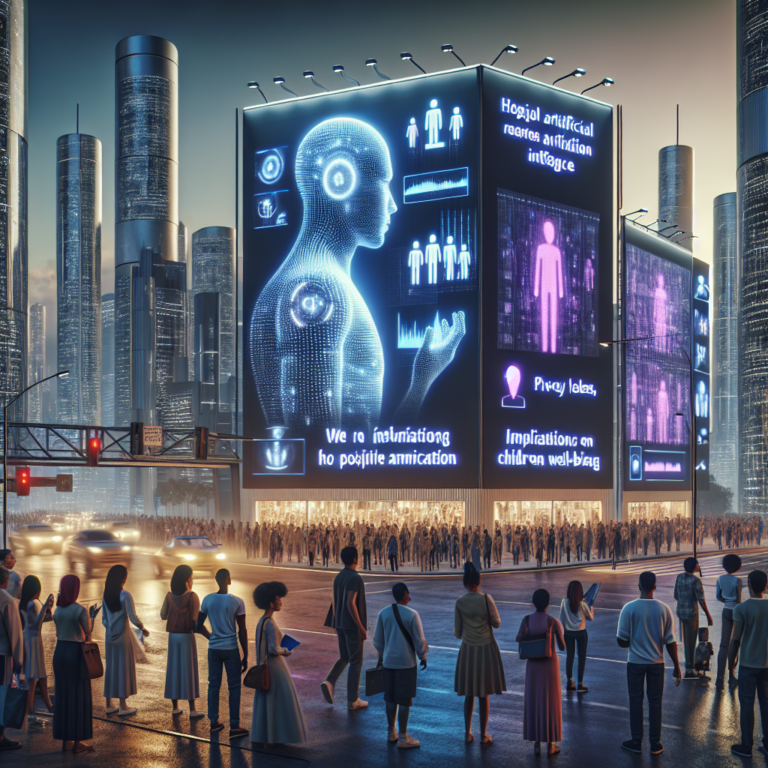
Sure, here is a suitable prompt for generating an image with DALL-E 3
The 2024 U.S. presidential election is shaping up to be unlike any other, with artificial intelligence (AI) and disinformation playing increasingly powerful roles. As we move closer to election day, it’s crucial to understand how these factors may influence voters and the overall electoral process.
The Influence of AI on the 2024 Presidential Election
AI technology has advanced dramatically in recent years, affecting everything from personalized marketing to healthcare. However, its impact on politics is perhaps the most concerning.
AI-Generated News and Campaigns
The use of AI in news generation is not new, but it has reached unprecedented levels of sophistication. AI algorithms can now generate news articles, create deepfakes, and even alter campaign speeches, making it increasingly difficult for voters to differentiate between genuine information and fabricated content. Here are some ways AI is influencing the election:
- **Personalized Campaign Messages**: AI can analyze vast amounts of data to tailor campaign messages to individual voters, potentially swaying their opinions.
- **Deepfake Technology**: AI-generated videos can convincingly alter the appearance and voice of political figures, leading to misinformation.
- **Algorithmic Bias**: AI algorithms can inadvertently amplify biased information, affecting voter perception and decision-making.
Disinformation: A Growing Threat
Disinformation—false information spread deliberately to deceive—poses a significant threat to the democratic process. In the context of the 2024 election, AI-driven disinformation can take various forms.
Social Media Manipulation
Social media platforms are fertile ground for disinformation campaigns. AI can be used to create fake accounts, spread conspiracy theories, and manipulate public opinion. Major concerns include:
- **Fake News Articles**: AI-generated articles that appear credible can spread rapidly across platforms.
- **Bots and Trolls**: Automated bots and human-operated accounts can flood social media with misleading information.
- **Echo Chambers**: AI algorithms can create echo chambers, where users are only exposed to information that reinforces their existing beliefs.
Impact on Voter Confidence
Disinformation can erode trust in the electoral process, leading to voter apathy or even civil unrest. The 2020 election saw high levels of disinformation, and experts warn that the 2024 election could be even more vulnerable. Key impacts include:
- **Reduced Voter Turnout**: Confusion and mistrust may lead some voters to abstain from voting altogether.
- **Polarization**: Disinformation can deepen political divides, making it harder for people to find common ground.
- **Questioning Legitimacy**: False claims about election rigging can undermine the perceived legitimacy of the election outcome.
Efforts to Combat AI and Disinformation
Given the growing threats posed by AI and disinformation, various stakeholders are taking steps to address these challenges. These efforts include:
Government Regulations
Governments are increasingly recognizing the need for regulations to combat disinformation. Potential measures include:
- **Stricter Laws**: Implementing laws to penalize the spread of deliberate disinformation.
- **Transparency Requirements**: Mandating transparency in political advertisements to ensure voters know who is behind the content.
- **International Cooperation**: Collaborating with other countries to combat disinformation on a global scale.
Tech Companies’ Initiatives
Tech giants like Facebook, Twitter, and Google are also taking steps to address the issue:
- **AI Detection Tools**: Developing AI tools to identify and remove fake accounts and disinformation.
- **Fact-Checking Partnerships**: Collaborating with fact-checking organizations to verify the accuracy of content.
- **Algorithm Transparency**: Making algorithms more transparent to understand their role in spreading disinformation.
Public Awareness Campaigns
Raising public awareness about the dangers of disinformation is crucial. Educational initiatives can help voters develop critical thinking skills:
- **Media Literacy Programs**: Teaching people how to identify credible sources of information.
- **Awareness Campaigns**: Running public campaigns to inform voters about the risks of disinformation.
- **Community Engagement**: Encouraging local communities to get involved in monitoring and reporting disinformation.
Conclusion
The 2024 U.S. presidential election will undoubtedly be affected by AI and disinformation. While these technologies present significant challenges, the combined efforts of governments, tech companies, and the public can mitigate their impact. In a rapidly evolving digital landscape, staying informed and vigilant is more important than ever.
By understanding the influence of AI and disinformation, we can work towards a fairer and more transparent electoral process, ensuring that democracy prevails.
About the Author