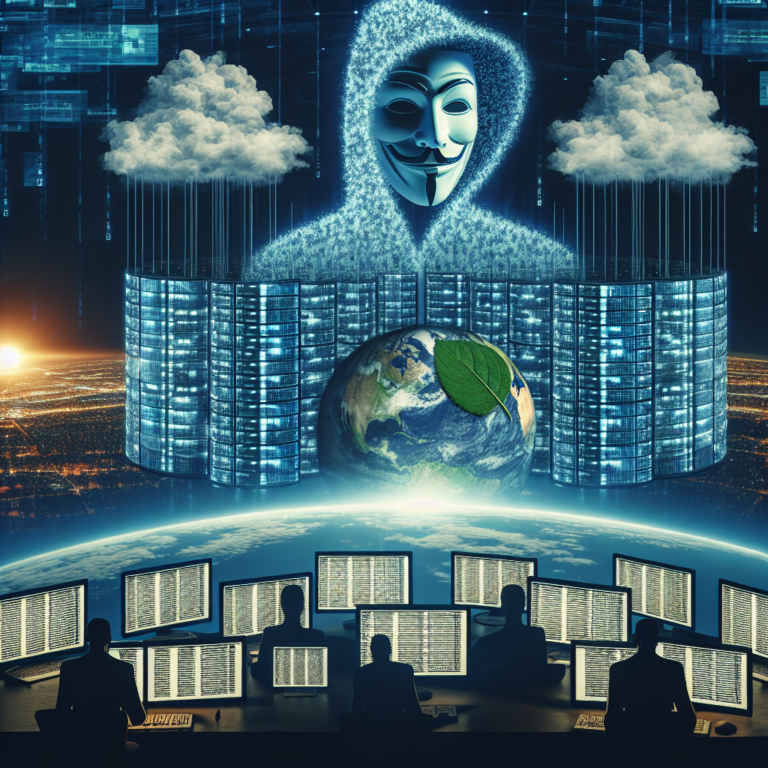
How U.S. Adversaries Are Messing with the Election
Ensuring the integrity of elections is a cornerstone of democracy. However, recent trends have made it clear that foreign adversaries are continually finding innovative and intrusive ways to disrupt the process. From cyber-attacks to misinformation campaigns, the tactics have become more sophisticated, posing an unprecedented threat to democratic systems worldwide, with the U.S. being a prime target.
The Rise of Cyber Warfare and Election Interference
Foreign interference in elections is not a new concept. However, the rise of cyber warfare has exponentially increased the ease and impact of such interference. Countries like Russia and China have been notoriously involved in finding digital avenues to sow discord and misinformation among the American electorate.
Cyber Attacks and Their Techniques
Cyber-attacks are arguably the most direct method of meddling in the election process. Here are some notable techniques utilized by foreign adversaries:
- Phishing: A technique used to acquire sensitive information through misleading emails and websites.
- Ransomware: Malicious software that locks users out of their systems until a ransom is paid, disrupting electoral functions.
- SQL Injection: A code injection technique that can corrupt databases, including voter registration data.
- DDoS Attacks: Distributed Denial of Service attacks overwhelm the servers hosting election infrastructure, causing website and service shutdowns.
Misinformation and Social Media Manipulation
Another avenue these adversaries exploit is the manipulation of social media to spread misinformation. Social media platforms have become battlegrounds for opinions and news, making them ideal platforms for sowing discord.
- Fake News: False articles and news reports intended to mislead voters about candidates or the election process.
- Deepfakes: AI-generated altered videos or images that portray candidates in a false light.
- Botnets: Networks of automated accounts that flood social media with biased or false political content.
- Microtargeting: Tailored content aimed at specific demographic groups to influence their voting behavior.
Key Players in Election Interference
While the U.S. has had many adversaries over the years, the likes of Russia and China have been particularly active in attempts to undermine U.S. elections.
Russia’s Proactive Disruption
Russia has a long history of interfering in U.S. elections. Notably, the 2016 U.S. presidential election was heavily targeted by Russian cyber operatives. Through a combination of hacking and extensive misinformation campaigns, Russia aims to erode trust in the American democratic system.
China’s Stealthier Approach
China, on the other hand, often takes a more subtle approach compared to Russia. With a significant emphasis on cyber espionage, China targets political figures and sensitive governmental databases to gain strategic advantages. By harvesting crucial data, they aim to sway policy decisions and disrupt the electoral process indirectly.
Other Emerging Players
While Russia and China are often highlighted, other actors like North Korea and Iran have also been spotted dabbling in election interference. These countries employ various cyber tactics to probe vulnerabilities in U.S. electoral infrastructure and influence public opinion.
Preventative Measures to Protect Elections
As the nature of threats evolves, so must the defenses in place to protect the integrity of elections. Several measures can be adopted to counteract these foreign interferences.
Enhancing Cybersecurity Protocols
Strengthening cybersecurity measures is crucial for thwarting potential threats:
- Regular Security Audits: Conduct comprehensive audits of electoral systems to identify and fix vulnerabilities.
- Two-Factor Authentication: Implement two-factor authentication for accessing election-related systems.
- Security Awareness Training: Educate election officials and the public on recognizing phishing attempts and malware.
Government Initiatives and Collaborations
Governmental bodies play a critical role in securing elections. Collaborative efforts between federal and state agencies can significantly enhance security measures.
- Cyber Command Centers: Special units dedicated to monitoring and countering cyber threats.
- International Cooperation: Partnering with other countries to share intelligence and best practices.
- Legislation: Enacting laws that mandate stringent cybersecurity protocols for electoral systems.
Public Vigilance and Media Literacy
Ultimately, a well-informed public is one of the best defenses against misinformation:
- Media Literacy Campaigns: Educate the public on identifying and avoiding fake news.
- Voter Awareness Programs: Inform voters about the importance of verifying information before sharing.
- Trusted Information Sources: Encourage reliance on reputable news outlets and official statements.
Conclusion
The landscape of election interference is continuously evolving. While the threat from U.S. adversaries is real and persistent, proactive measures can mitigate their impact. By enhancing cybersecurity, fostering governmental collaborations, and promoting public vigilance, the integrity of democratic processes can be better safeguarded, ensuring that the cornerstone of democracy—free and fair elections—remains intact.
About the Author