# Russia’s Artificial Intelligence in Election: A Double-Edged Sword
In a world where technology is rapidly evolving, the intersection of **artificial intelligence (AI)** and democratic processes has ignited a global conversation about the future of governance. The recent developments in Russia have brought this issue to the forefront, as AI’s role in influencing election outcomes showcases both the potential advantages and underlying risks. In this article, we dive into how AI is shaping Russian elections and what it means for the future of democracy.
## The Advent of AI in Russian Elections
### Historical Context
Russia has always maintained a keen interest in utilizing emerging technologies to maintain its geopolitical and domestic influence. With advancements in AI, the Russian Federation has taken significant strides in integrating AI into various aspects of its electoral processes.
1. **Data Analysis**: AI algorithms are now capable of processing and analyzing vast amounts of voter data to predict behaviors and trends.
2. **Automated Campaigning**: From personalized campaign messages to targeted propaganda, AI tools are revolutionizing how candidates reach their constituents.
3. **Electronic Voting Systems**: AI-driven electronic voting machines and systems have streamlined the voting process, making it more efficient but also raising concerns over **rigging** and **cybersecurity**.
### Modern Technology Meets Traditional Russia
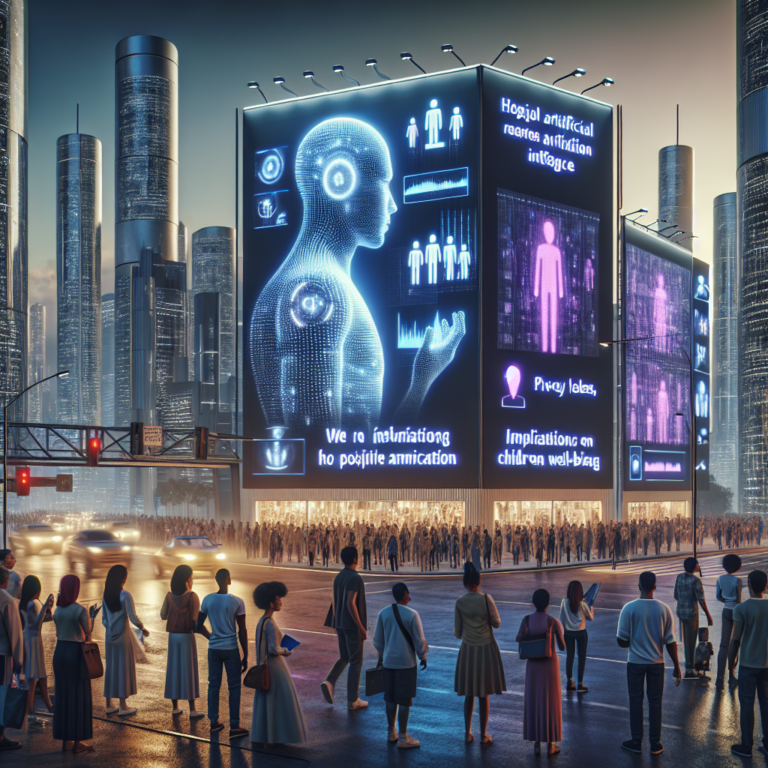
Russia’s use of AI in elections has been visually captivating due to the blending of **modern technological elements** with traditional **Russian architecture**. Imagine polling stations equipped with high-tech electronic voting machines against the majestic backdrop of the Kremlin. Within these stations, holographic displays illustrate real-time voting data and AI algorithms at work, providing a stunning juxtaposition that underscores the nation’s journey into the future.
## Benefits of AI in Elections
### Enhanced Efficiency
One of the significant advantages of integrating AI into elections is the tremendous boost in efficiency.
– **Quicker Vote Tallying**: AI algorithms can count votes faster, reducing the time it takes to announce results.
– **Error Reduction**: Sophisticated machine learning models help minimize human error, ensuring a higher degree of accuracy in the process.
– **Voter Outreach**: Personalized campaign strategies driven by AI can engage more voters, increasing voter turnout.
### Improved Accessibility
AI-driven technology has made it easier for people with disabilities to participate in elections.
– **Voice-Activated Voting**: Voters with visual impairments can use voice commands to cast their votes securely.
– **Simplified Interfaces**: User-friendly interfaces on electronic voting machines ensure that even those with limited tech literacy can participate.
## The Dark Side of AI in Elections
### Concerns Over Manipulation
While AI brings numerous benefits, it also opens the door to potential manipulation.
1. **Algorithm Bias**: AI systems can sometimes reflect hidden biases, leading to skewed results. This is particularly concerning in a nation where state influence looms large.
2. **Misinformation**: AI tools can be weaponized to spread false information quickly and efficiently, manipulating public opinion.
3. **Voter Suppression**: Through predictive analytics, certain demographics can be targeted for voter suppression tactics, undermining the very essence of a fair democratic process.
### Cybersecurity Threats
Integrating AI into electronic voting systems introduces multiple risks related to cybersecurity.
– **Hacking**: Vulnerable e-voting systems can be targeted by hackers, jeopardizing the legitimacy of the entire process.
– **Data Privacy**: AI requires vast amounts of personal data, raising concerns over data storage and privacy.
– **System Failures**: Technical glitches in AI systems could potentially disenfranchise large numbers of voters if not adequately addressed.
## Public Reaction
### Anxiety and Concern
The Russian populace’s reaction to AI’s involvement in elections has been mixed.
– **Trust Issues**: Many Russians are wary of the accuracy and integrity of AI-driven voting processes.
– **Fear of Surveillance**: The idea of their votes being closely monitored and analyzed by AI exacerbates fears related to governmental overreach and surveillance.
### Optimism
Conversely, some see AI as a step towards modernization and progress.
– **Tech-Savvy Youth**: Younger generations who are more familiar with technology feel optimistic about its potential to streamline and improve electoral processes.
– **Innovation Champions**: Proponents of technological innovation view AI as a valuable tool for addressing longstanding issues within the electoral framework.
## The Global Implications
### Influencing International Perceptions
Russia’s foray into AI-driven elections significantly impacts global perceptions of the intersection between technology and democracy.
– **Setting a Precedent**: Other nations are closely watching Russia to understand how AI can be integrated into their electoral systems.
– **Global Dialogue**: The Russian example has sparked international debates on the ethical implications and potential drawbacks of using AI in elections.
### Policy and Regulation
The international community recognizes the need for stringent policies and regulations to govern the use of AI in elections.
1. **Ethical Guidelines**: Establishing ethical guidelines for AI utilization in democratic processes is crucial.
2. **International Collaboration**: Countries might need to collaborate on cybersecurity measures to protect the integrity of AI-driven elections.
## Conclusion
As AI continues to advance, its role in shaping the future of elections, particularly in Russia, serves as both an inspiration and a cautionary tale. While the integration of AI offers numerous benefits such as increased efficiency and accessibility, it also poses significant risks related to manipulation and cybersecurity.
As the world watches Russia navigate this new frontier, it becomes clear that the marriage of **AI and democracy** requires careful consideration, ethical guidelines, and robust safeguards to ensure that it truly serves the public good. The global community must work together to harness AI’s potential while mitigating its risks, thereby securing a democratic future in an increasingly digital world.
About the Author