Create an Image that Visually Represents Both the Potential Benefits and Risks of AI for U.S. Democracy
Artificial Intelligence (AI) is often touted as the future of technological advancements—bringing substantial benefits to various sectors, including the realm of democracy. However, as with any powerful tool, its potential for harm cannot be overlooked. This duality makes it crucial to depict the nuanced impact of AI on U.S. democracy accurately. A carefully crafted image can serve this purpose by visually representing both the potential benefits and risks associated with AI technology.
The Positive Side of AI: Strengthening U.S. Democracy
AI has the capacity to transform democratic processes positively. The following points elaborate on the potential benefits:
- Transparent and Secure Voting Systems: AI can enhance the security and transparency of voting systems through advanced authentication methods and real-time fraud detection, ensuring that each vote is legitimate and accurately counted.
- Citizen Engagement and Informative Discussions: AI-driven platforms can foster informed debates and discussions among citizens by curating unbiased information and providing fact-checks, thereby promoting a more informed electorate.
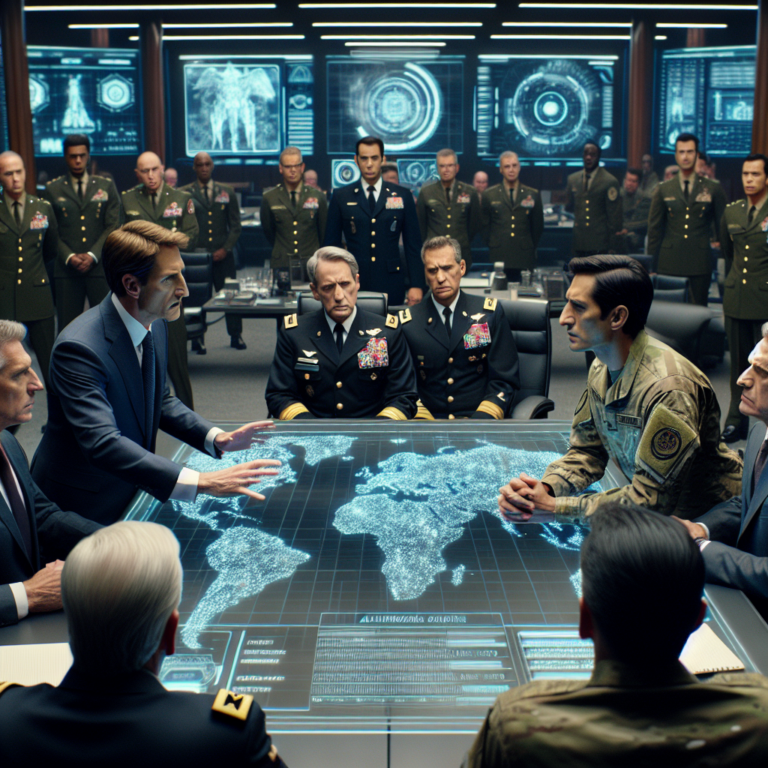
- Efficient Governmental Data Analysis: AI algorithms can process vast amounts of data swiftly, enabling governments to make data-driven decisions that reflect the needs and desires of the populace.
Visual Representation of AI’s Benefits
In creating an image to depict these benefits, consider utilizing symbols of growth and transparency along with positive imagery such as:
- A glowing ballot box with a checkmark to signify secure voting
- Enlightened and engaged citizens in a lively town hall meeting
- Government officials analyzing data with modern, AI-powered tools
The Negative Side of AI: Risks to U.S. Democracy
Despite its potential for good, AI also poses significant risks to democratic integrity. Areas of concern include:
- Spread of Misinformation: AI can be exploited to amplify and disseminate fake news and false information at unprecedented scales, thus distorting public perception and eroding trust in democratic institutions.
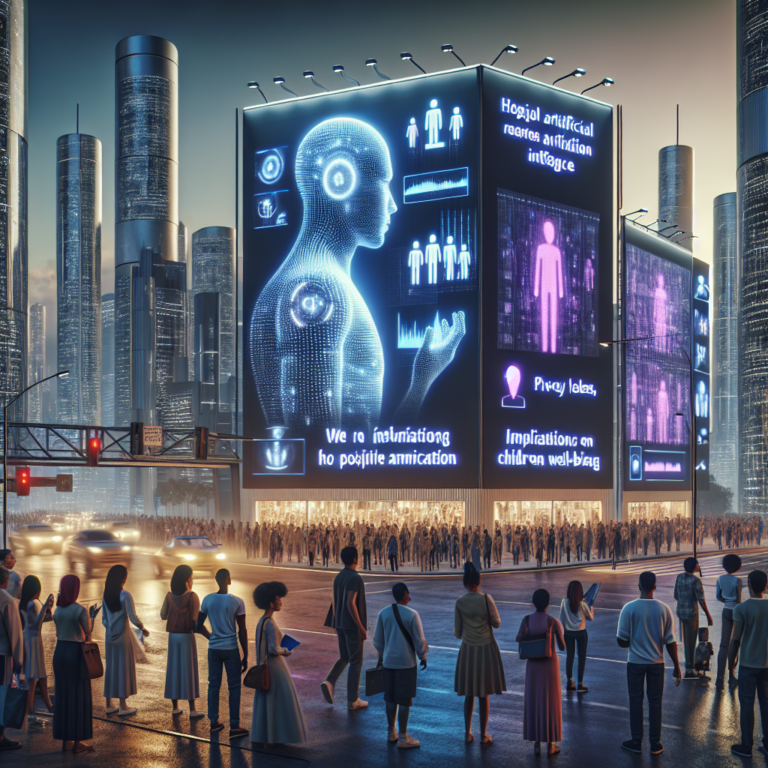
- Surveillance Overreach: AI-driven surveillance systems can infringe on privacy rights, leading to widespread monitoring of citizens and suppression of dissent.
- Manipulation of Public Opinion: Advanced algorithms can target individuals with specific propaganda, influencing opinions and potentially swaying electoral outcomes, thereby undermining fair democratic processes.
Visual Representation of AI’s Risks
To underscore these risks visually, consider incorporating elements that evoke a sense of caution and control. These could include:
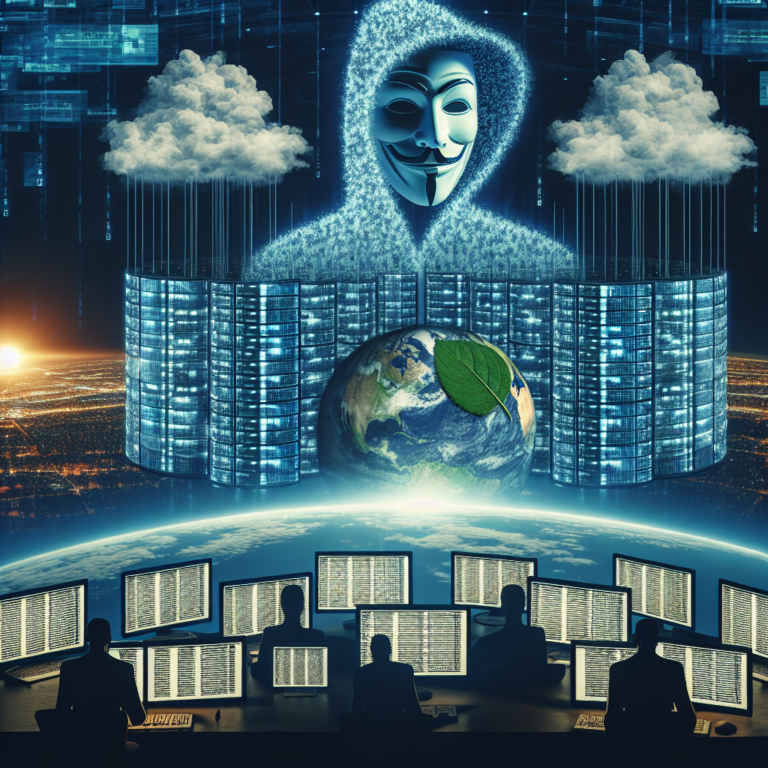
- An ominous figure manipulating information on a digital screen
- An eye representing intrusive surveillance over citizens
- Voters being targeted by propagandist messages on their devices
Creating the Balanced Image
When combining these elements into a single visual representation, it’s essential to maintain a balanced yet contrasting color scheme. This can highlight the dual nature of AI’s impact on democracy:
- Color Scheme: Use warm, inviting colors like greens and blues for the positive aspects, and contrasting, cautionary colors like reds and dark hues for the negative aspects.
- Patriotic Symbols: Integrate subtle elements like the American flag, the Capitol building, or other patriotic symbols to emphasize the context of U.S. democracy.
- Layout: Split the image into two halves—one side representing the benefits with an optimistic tone and the other illustrating the risks with a more somber tone.
Conclusion
The complex relationship between AI and democracy requires a multifaceted approach to visual representation. By thoughtfully combining positive and negative imagery, one can create a powerful visual narrative that captures the dual-edged sword of AI in the context of U.S. democracy. Such an image wouldn’t just inform viewers; it would engage them in the ongoing dialogue about how best to harness AI’s potential while mitigating its risks. In an era where visual content plays a pivotal role in shaping public consciousness, this balanced portrayal serves as an essential tool for fostering informed discussions about the future of democracy in the AI age.
As we stand at the crossroads of technological advancement and democratic integrity, crafting imaginations that accurately represent these poles is not just beneficial—it’s imperative.
About the Author