1088
“`html
Artificial Intelligence: A Catalyst for Future Innovation and Human Collaboration
Artificial Intelligence (AI) is more than just a buzzword in today’s technology-driven world; it is a transformative force that is reshaping industries, societies, and interactions between humans and machines. As we delve deeper into the AI revolution, envisioning a future where AI and humans coexist harmoniously becomes crucial.
The Role of AI in Modern Society
The integration of AI into various sectors has led to unprecedented advancements. Here are some of the key areas where AI is making a significant impact:
- Healthcare: AI algorithms assist in diagnosing diseases, personalizing treatment plans, and predicting patient outcomes, thereby improving the overall quality of care.
- Finance: From fraud detection to algorithmic trading, AI enhances security and efficiency in financial transactions.
- Transportation: Autonomous vehicles and smart traffic management systems are reducing congestion and enhancing road safety.
- Education: Personalized learning through AI-driven platforms ensures that educational content is tailored to individual student needs.
- Customer Service: AI-powered chatbots and virtual assistants improve response times and customer satisfaction.
The Vision of a Futuristic AI-Integrated City
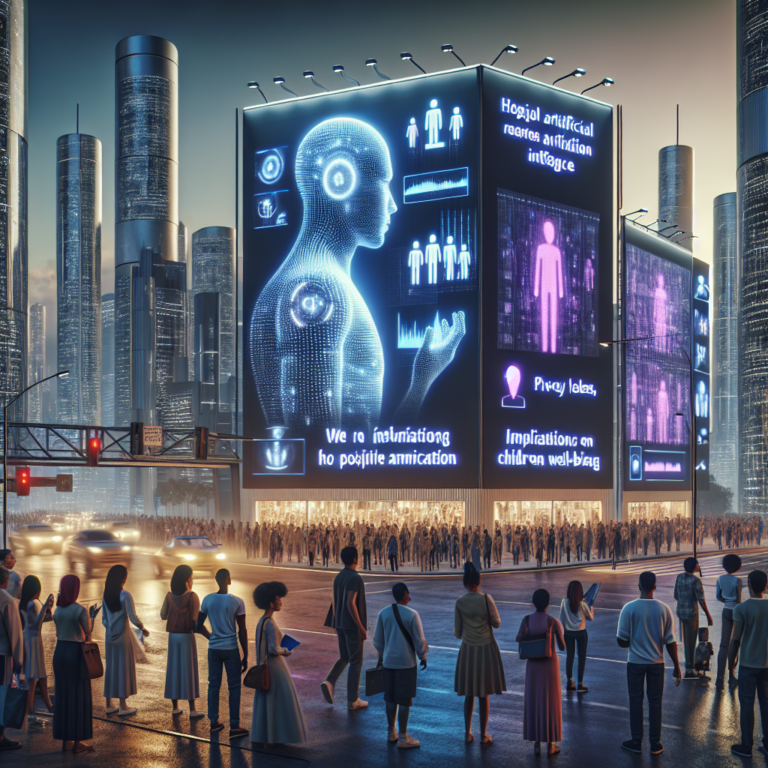
Imagine a scenario where AI is intricately woven into the fabric of urban life. A futuristic city where humans and AI robots coexist seamlessly, working together to create an environment that is efficient, sustainable, and inclusive. Here are some key elements of such a future:
Advanced Technologies in Urban Spaces
- Flying Cars: With AI at the helm, flying cars could revolutionize personal transportation, reducing travel time and easing ground traffic congestion.
- Holographic Advertisements: AI-driven holograms could replace traditional billboards, offering interactive and personalized advertising experiences.
- Green Energy Solutions: AI will optimize energy usage through smart grids and renewable energy sources, contributing to a sustainable urban lifestyle.
Human-AI Interaction in Social Settings
The integration of AI into daily life will extend beyond infrastructure and technology. Social interactions will evolve as follows:
- Robots in Public Spaces: AI robots will assist in tasks like cleaning, surveillance, and providing information in public areas such as parks and malls.
- Collaborative Workplaces: Humans and AI will collaborate in workplaces, enhancing productivity and creativity through complementary skills.
- AI-Assisted Learning and Leisure: AI-driven platforms will offer personalized learning experiences, and virtual reality environments will provide immersive entertainment options.
The Challenges of AI Integration
While the prospects are exciting, integrating AI into society is not without challenges. Some of the hurdles include:
- Ethical Concerns: Ensuring that AI operates within ethical boundaries and respects human rights is paramount. Issues such as bias in AI systems need to be addressed.
- Privacy Issues: With AI systems collecting and analyzing vast amounts of data, protecting individuals’ privacy is a critical concern.
- Job Displacement: As AI takes over repetitive tasks, there is a risk of job losses, necessitating programs for reskilling and education.
Strategies for Embracing AI in Urban Life
To successfully integrate AI into urban settings, a strategic approach is essential. Here are some ways to achieve this:
Policy and Regulation
- Establish Ethical Guidelines: Developing frameworks that ensure AI systems adhere to ethical standards will build trust and accountability.
- Regulate Data Usage: Implementing strict regulations on data collection and usage will safeguard privacy and security.
Public-Private Partnerships
- Collaborative Innovation: Governments and private sectors should collaborate to drive AI innovations and share resources and insights.
Educational Reforms
- Focus on STEM Education: Emphasizing science, technology, engineering, and mathematics education will prepare future generations for an AI-driven world.
- Lifelong Learning: Encouraging continuous learning and skill development will help individuals adapt to changes in the job market.
The Bright Future of AI and Humanity
As we move forward, the harmonious coexistence of AI and humans will become a reality. By addressing challenges and leveraging opportunities, we can build a future where innovation, peace, and cooperation define our societies.
In conclusion, the potential of AI to revolutionize our world is immense. By strategically integrating AI into our urban environments and daily lives, we can ensure a future that balances technological advancement with human well-being.
“`
About the Author