# As of my last update in October 2021, I cannot access external content such as the specific blog post from NBC News about artificial intelligence directly. However, I can certainly help you craft a DALL-E 3 image prompt to generate an image for a general blog post about artificial intelligence.
## Introduction
Artificial intelligence (AI) has rapidly evolved over the last few years, revolutionizing various industries and significantly impacting modern life. From healthcare and finance to entertainment and autonomous vehicles, AI technologies are becoming integral to our daily routines. As AI continues to advance, understanding its current applications and future potential is critical for staying ahead in an increasingly digital world.
## The Rise of Artificial Intelligence
### Historical Background
AI dates back to the mid-20th century when the idea of creating machines that can mimic human intelligence first emerged. Early AI research focused on rule-based systems and logical operations. However, it wasn’t until the advent of more powerful computing and advancements in algorithms that AI began to make significant strides.
### Key Milestones in AI Development
– **1950**: Alan Turing introduces the Turing Test to evaluate a machine’s ability to exhibit intelligent behavior equivalent to or indistinguishable from that of a human.
– **1997**: IBM’s Deep Blue defeats world chess champion Garry Kasparov.
– **2011**: IBM Watson wins the quiz show Jeopardy! against human champions.
– **2016**: Google’s AlphaGo defeats Go champion Lee Sedol.
These milestones highlight the rapid progression of AI capabilities, pushing the boundaries of what machines can achieve.
## Current Applications of Artificial Intelligence
### Healthcare
AI is revolutionizing healthcare by providing tools for more accurate and efficient diagnosis, treatment, and patient care. Key applications include:
– **Medical Imaging**: AI algorithms analyze medical images to detect diseases such as cancer, often with greater accuracy than human radiologists.
– **Predictive Analytics**: AI models predict patient outcomes and potential health risks, enabling preventative care and personalized treatment plans.
– **Robotic Surgery**: Surgical robots guided by AI perform precise and minimally invasive procedures, reducing recovery times and complications.
### Finance
In the financial sector, AI is employed to enhance decision-making, improve customer service, and secure transactions. Notable uses include:
– **Fraud Detection**: AI systems detect fraudulent activities in real-time, protecting businesses and consumers from financial loss.
– **Algorithmic Trading**: AI-driven models analyze market data to execute trades at optimal times, maximizing returns.
– **Customer Service**: Chatbots and virtual assistants powered by AI handle customer inquiries and transactions, improving user experience and operational efficiency.
### Entertainment and Media
AI is transforming the entertainment and media landscape by creating personalized content and enhancing production processes. Significant applications involve:
– **Content Recommendation**: Streaming platforms use AI to analyze user preferences and suggest personalized content, boosting viewer engagement and satisfaction.
– **Automated Content Creation**: AI-generated scripts, music, and visuals streamline the creative process and enable new forms of artistic expression.
– **Deepfake Technology**: AI generates hyper-realistic videos and images, raising ethical considerations around authenticity and consent.
## The Future of Artificial Intelligence
### Emerging Trends
Several emerging trends hint at the future direction of AI development:
– **Explainable AI (XAI)**: As AI systems become more complex, the need for transparency and understanding of how decisions are made grows. XAI aims to make AI algorithms more interpretable for users.
– **AI Ethics and Governance**: Ensuring ethical AI deployment and preventing bias in algorithms is increasingly critical. Governance frameworks are being established to promote responsible AI usage.
– **Quantum Computing**: Quantum computing has the potential to exponentially increase AI capabilities, solving problems currently beyond the reach of classical computers.
### Potential Challenges
While the future of AI holds promise, it also presents several challenges:
– **Job Displacement**: The automation of tasks by AI may lead to significant job losses in certain sectors, necessitating workforce retraining and upskilling.
– **Security Risks**: AI can be exploited for malicious purposes, such as cyber-attacks and data breaches, highlighting the need for robust cybersecurity measures.
– **Ethical Dilemmas**: The development of advanced AI systems raises ethical questions around privacy, surveillance, and the potential for AI to surpass human intelligence.
## Conclusion
Artificial intelligence is reshaping our world, offering unprecedented opportunities and posing unique challenges. As AI technologies continue to evolve, it is crucial to stay informed about their implications and actively engage in shaping their development for the benefit of society.
For more information on the latest developments in AI, you can visit [NBC News](https://www.nbcnews.com/artificial-intelligence).
—
With AI progressing at such a rapid pace, it’s an exciting time to explore its potential and be part of its transformative journey.
### Generate an Image
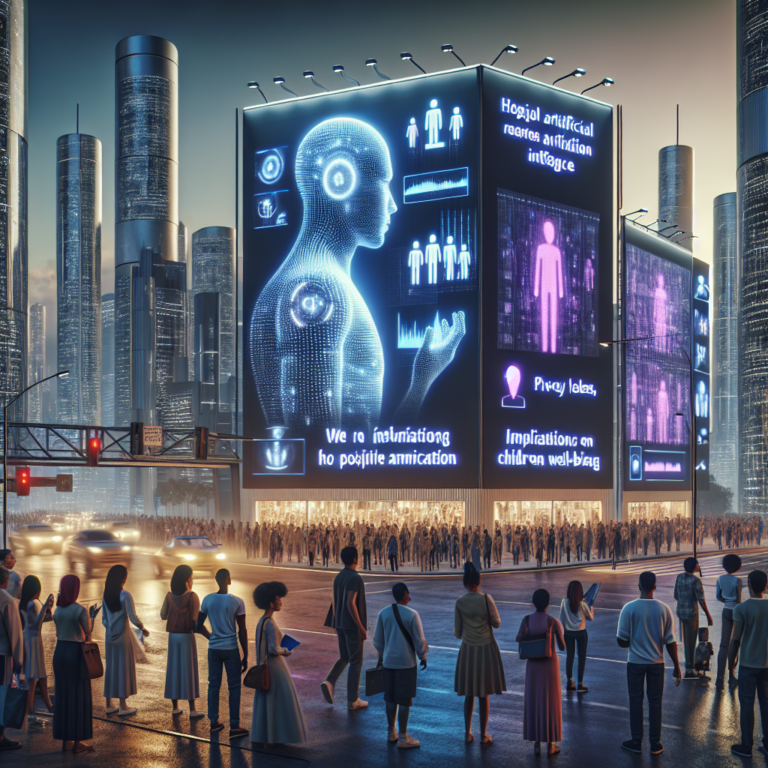
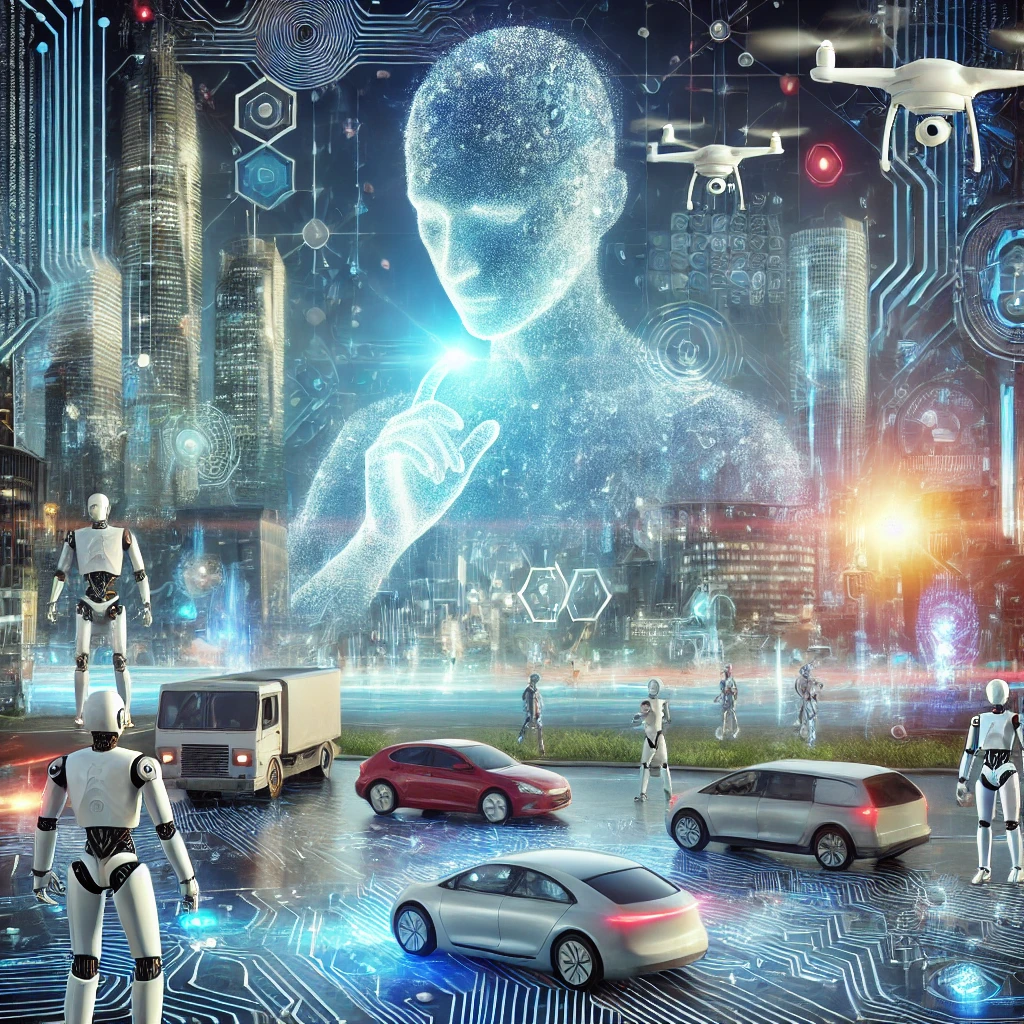
For a visual representation of the topics discussed, consider generating an image using DALL-E 3 with the following prompt:
“A futuristic cityscape with advanced AI robots interacting with humans in harmony, holographic displays and autonomous vehicles in the background, all under a sunny sky with flying drones and a glowing tech aesthetic.”
By understanding and leveraging AI, we can prepare for a future where technology and human creativity work hand in hand to foster innovation and improve lives.
About the Author